Table of Contents
Key Takeaways: Septic Line Failure
- Primary Indicator: Localized spongy soil, persistent structural indentations, and system-wide slow drainage.
- Critical Vulnerability: Durban’s historical rainfall patterns and expansive clay soils accelerate pipe degradation.
- Mandatory Action: A professional inspection is needed if you observe persistent sewer gas odors or recurrent backups. DIY structural repairs are prohibited under local health regulations.
For properties operating independently of the municipal central sewer grid, maintaining subterranean infrastructure is the property owner has the sole responsibility of managing the subsurface infrastructure. . Managing your own waste system requires vigilance, particularly regarding underground pipelines. A drainage line cave-in can quickly escalate into significant plumbing issues and major property disruption if left unaddressed. Recognising the early physical indicators of underground waste pipe damage is essential for protecting your property's subterranean infrastructure and avoiding costly fixes.
Understanding your septic tank
Understanding the system is critical for proper maintenance. A typical off-grid waste system consists of two primary structural components: the septic tank and the discharge pipeline leading to a soakaway field or French drain.
When domestic or commercial wastewater leaves a building, it goes into the primary tank where solids separate from liquids. The remaining liquid waste, known as effluent, travels through an outlet pipe into the soil for natural filtration.
If the pipe connecting the building to the tank—or the line directing effluent to the soakaway—experiences a structural failure, the entire transit process stalls. To learn more about the basic mechanics of these systems, readers can review foundational resources on how septic systems work
5 Warning Questions: Is Your Septic Line Structural Integrity Compromised?
An underground pipe failure doesnt just happen overnight. It usually Strats with a minor fracture or structural sag that worsens over several months. Addressing these symptoms early allows property owners to resolve issues before a total system collapse occurs.
Why is my lawn suddenly greener in one specific spot?
While a nice looking lawn is best, an isolated strip of grass that grows quickly or seems overly lush indicates an underlying issue. When an underground sewage pipe cracks, nutrient-rich effluent leaks into the upper soil layers, acting as an artificial fertiliser.If you walk across this patch and the ground feels sponge-like, muddy, or unstable, effluent is pooling beneath the surface due to a compromised line. This symptom requires quick expert diagnosis.
What does a persistent gurgling sound in my drains mean?
A single slow drain or isolated toilet clog usually points to a localized blockage, such as accumulated cooking fats or structural debris. But , if every drain across a home or business operates slowly, the root cause is found further down the line.When a sewer pipe experiences a structural failure, the physical pathway is blocked by shifted earth or crushed pipe fragments. Air becomes trapped inside the drainage network. This trapped air forces its way back through water traps, creating a distinct gurgling sound in ground-floor showers, basins, and water closets when water is discharged elsewhere in the building.
Why is there a persistent odour of sewer gas outside my property?
An unbroken waste management system keeps sewer gases confined venting them safely above the roofline. When a drainage pipe ruptures or caves in underground, hazardous gases—including hydrogen sulfide—escape through the fractured material, filter up through the soil, and settle at ground level. In commercial settings, this presents a significant risk to business reputation and operations. A persistent foul odor outside a professional office park in Westville or a restaurant in Morningside can negatively influence what stakeholders might think. If sewer gas odour's are present near your primary drainage pathways, the line's structural integrity has been breached.
What causes sudden divots or depressions in my driveway or lawn?
. Over time the surrounding soil shifts down into this empty space and is washed away by migrating effluent.This subsurface erosion removes structural support from the upper soil layers, resulting in leaving visible depressions, sagging asphalt, or localized sinkholes. In industrial sectors like Prospecton or Pinetown, where heavy transport vehicles frequent loading bays, a weakened pipe beneath the pavement can cause asphalt to buckle, creating structural hazards for vehicles and equipment.
Why is raw sewage backing up after my tank was recently pumped?
If waste backs up into lower-level showers or external gully traps shortly after using a professional vacuum tanker or septic pumping service, the issue is rarely an overfilled tank. Instead, a structural problem in the line is preventing waste transit. The fluid cannot reach its destination, causing waste to reverse its flow into the nearest low-level household or commercial opening.
Signs at a Glance: Standard Clog vs. Pipeline Collapse
| Symptom | Standard Main Line Clog | Collapsed Septic/Sewer Line |
|---|---|---|
| Drainage Speed | Slow performance limited to one or two fixtures. | Universal system slowdown across all ground-floor drains. |
| Soil Stability | Soil remains firm and structurally sound. | Visible sinking, indentations, or soggy patches along pipe paths. |
| System Sounds | Occasional localized bubbling when a fixture drains. | Constant gurgling across multiple fixtures simultaneously. |
| Impact of Pumping | Clearing or pumping resolves the issue permanently. | Symptoms return within days of utilizing a septic pumping service. |
| Structural Odor | Odors are confined to the interior drain opening. | Widespread outdoor sewer gas odors escaping from the soil. |
Environmental Factors Accelerating Pipe Failure in Durban
Subterranean plumbing infrastructure is heavily influenced by external environmental conditions. The geography and climate of KwaZulu-Natal (KZN) present specific challenges to underground drainage systems.
Heavy Coastal Rainfall and Flooding Risks
These heavy rainfall events soak the ground, elevating the water table and increasing soil weight. This added weight places immense downward pressure on buried infrastructure. If a legacy pipeline already has minor hairline fractures, the sudden mechanical load from waterlogged soil can crush the pipe.
Soil Expansion and Contraction Across Suburbs
The geological profile of the eThekwini region varies significantly across short distances, impacting pipeline longevity:
- The Coastal Belt (Durban North, Umhlanga, The Bluff): These areas feature highly sandy soils. Sandy soil shifts easily under shifting water tables, providing poor structural bedding. Minor leaks quickly wash away supporting sand, causing pipes to bend, sag, and break.
- The Inland Highway Zone (Kloof, Gillitts, Hillcrest): . Clay soils expand when wet and contract a lot during dry periods. This movement exerts significant mechanical shear stress on underground pipe joints. Property owners learn more about r characteristics of clay soil so that they understand these dynamics better. .
Root System Intrusions
Durban’s Climate encourages rapid, year-round botanical growth. The root networks of indigenous trees, such as the Coastal Silver-Oak (Brachylaena discolour), or invasive species actively seek out subterranean moisture sources. Even a microscopic crack in an old earthenware pipe joint releases moisture that attracts roots. Once inside, the root system expands, breaking the pipe from the interior and causing a complete structural failure.
Can I fix a collapsed septic line myself?
DIY repairs on septic lines are not allowed due to health and safety regulations enforced under the National Building Regulations and Building Standards Act, as well as specific eThekwini sanitation bylaws.
Step-by-Step Emergency Guide for Property Owners
If you identify clear indicators of underground waste pipe damage, execute the following steps immediately to minimize structural impacts:
- Isolate Water Consumption: Immediately cease the use of high-volume appliances, including washing machines and dishwashers. Minimize toilet flushing across the property to lower pressure on the damaged line.
- Locate Your Main Isolation Inspection Eye: Identify the external gully or inspection point outside the building to check if wastewater is overflowing onto the surface.
- Secure the Area: Keep pedestrians, vehicles, and domestic pets away from any visible soil depressions or spongy patches to prevent ground cave-ins.
- Avoid Chemical Additives: Do not pour caustic drain cleaners down the lines. These chemicals cannot repair a structural failure, destroy essential waste-digesting bacteria, and leak directly into the surrounding soil.
- Request Professional Diagnostic Services: Contact an authorized plumbing professional equipped with underground scanning and camera technology to assess the situation.
Pipe Materials Guide: Replacement Options
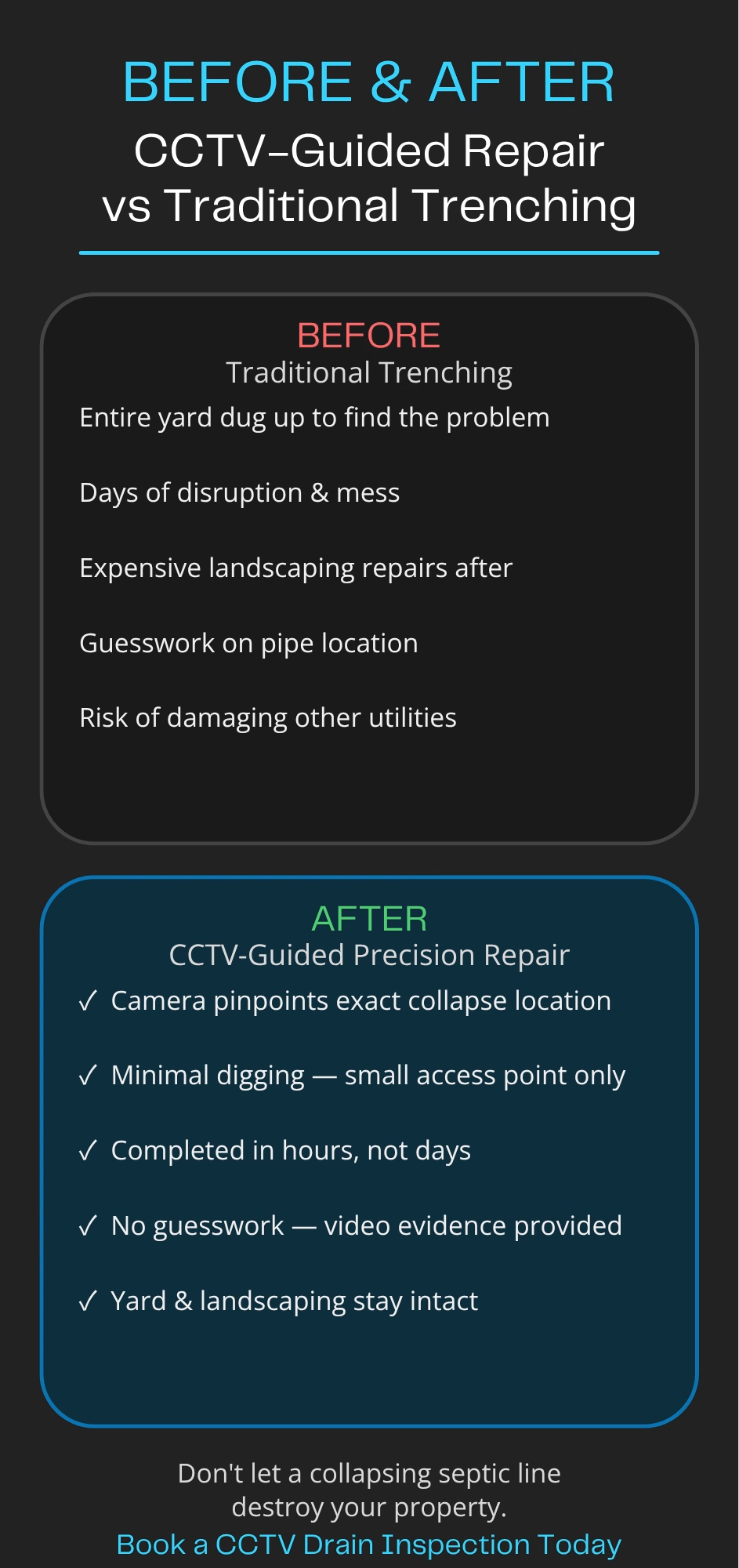
choosing the appropriate material is critical for long-term reliability. Check out this diagram for a better understanding.
Polyvinyl Chloride (PVC)
Pros:Smooth internal surface, highly chemical and root resistant.
Cons:Needs correct heavy class bedding for structural integrity.
Earthenware (Clay Joints)
Pros:Highly chemical resistant.
Cons:Brittle material, extremely vulnerable to root intrusion.
Pitch-Fiber (Legacy Repair)
Pros:Historically flexible material.
Cons:High risk of flattening and delamination over time.