Affordable plumbing tips for Durbanite’s
Living in Durban means embracing the heat, the humidity, and the unique coastal conditions that can play havoc with your pipes. Whether you are managing a bustling restaurant on Florida Road or maintaining a family home in Westville, plumbing problems are an inevitable part of property ownership. But keeping your water flowing shouldn’t mean draining your bank account.
Expert plumbing isn’t just about fixing a leak; it’s about strategic maintenance that suits our local climate. By understanding the specific challenges in Durban KZN—from corrosive sea air to fluctuating municipal water pressure—you can implement solutions that are both affordable and durable.
Why Durban Plumbing Requires a Local Touch
Our city’s geography is diverse. We have steep coastal hills, sandy shorelines, and humid inland valleys. This variety affects how plumbing systems age.
-
Corrosion Control: For Coastal homes The salt air isn’t just tough on cars; it eats away at exposed metal fittings and outdoor geyser valves.
-
Tree Root Intrusion: Tree roots often find their way into old earthenware pipes.
-
Water Pressure Spikes: Durban’s terrain means water pressure can vary wildly between the top of a ridge and the bottom of a valley, often leading to burst pipes if pressure-reducing valves aren’t installed.
Residential Solutions: Saving Cents in the Suburbs
For the Durban homeowner, the goal is usually to reduce the monthly utility bill while preventing a catastrophic (and expensive) emergency.
1. The “Geyser Strategy” for Energy Savings
In most local households, the geyser is the biggest electricity guzzler. To keep costs down:
-
Install a Geyser Blanket: This is a low-cost investment that pays for itself within months by retaining heat, especially during those slightly chilly winter nights.
-
Check the Anode Rod: In our coastal water conditions, the sacrificial anode rod inside your geyser can corrode quickly. Replacing it every 18 to 24 months is far cheaper than replacing the entire tank.
-
Set the Thermostat: . It’s hot enough for hygiene but low enough to prevent excessive scaling and energy waste.
2. Low-Flow Retrofitting
Water shedding and rising tariffs are a reality. You can modernise an old bathroom without a full renovation:
-
Aerators: Screwing a tiny aerator onto your kitchen and bathroom taps can reduce water usage without losing pressure.
-
Dual-Flush Conversions: If you have an older “single-flush” toilet, a simple DIY conversion kit can save thousands of liters of water per year.
3. Smart Leak Detection – Budget-Friendly Plumbing Solutions in Durban
A “running” toilet or a dripping garden tap is often ignored, but a single leaking tap can waste lots of water. .
-
The Food Color Test: Drop a little food coloring into your toilet cistern. If color seeps into the bowl without flushing, you have a leak. Replacing a R50 washer today saves a R500 water bill tomorrow.
Commercial Plumbing: Protecting the Bottom Line
In a commercial setting—be it an office block in La Lucia or a warehouse in Prospecton—plumbing failure means downtime. Professional, budget-friendly solutions here focus on “Predictive Maintenance.”
1. Grease Trap Management for the Food Sector – Budget-Friendly Plumbing Solutions in Durban
Durban’s vibrant culinary scene depends on functional drainage. If your kitchen drains block during a busy Saturday night shift, the loss of revenue is massive.
-
Regular Cleaning Schedules: Don’t wait for a backup. A monthly professional cleaning of grease traps is significantly cheaper than an emergency call-out and hydro-jetting service.
-
Bacterial Treatments: Using bio-active enzymes can help break down fats naturally, keeping your lines clear for longer.
2. High-Traffic Washroom Efficiency
Commercial bathrooms take a beating. To manage costs:
-
Timed-Flow Taps: These stop taps from being left running by customers or staff.
-
Urinal Sensors: Modern sensors ensure water is only used when necessary, drastically cutting overheads in large office complexes.
3. Backflow Prevention
For industrial and commercial properties, ensuring that contaminated water doesn’t flow back into the main supply is a legal requirement. Its important to test back flow as it ensures you stay compliant with eThekwini Municipality bylaws, avoiding heavy fines and legal headaches.
When to DIY vs. When to Call a Pro
We know that “Durban Gees” often involves a “can-do” attitude. However, knowing when to put the wrench down is the ultimate budget-saving skill.
-
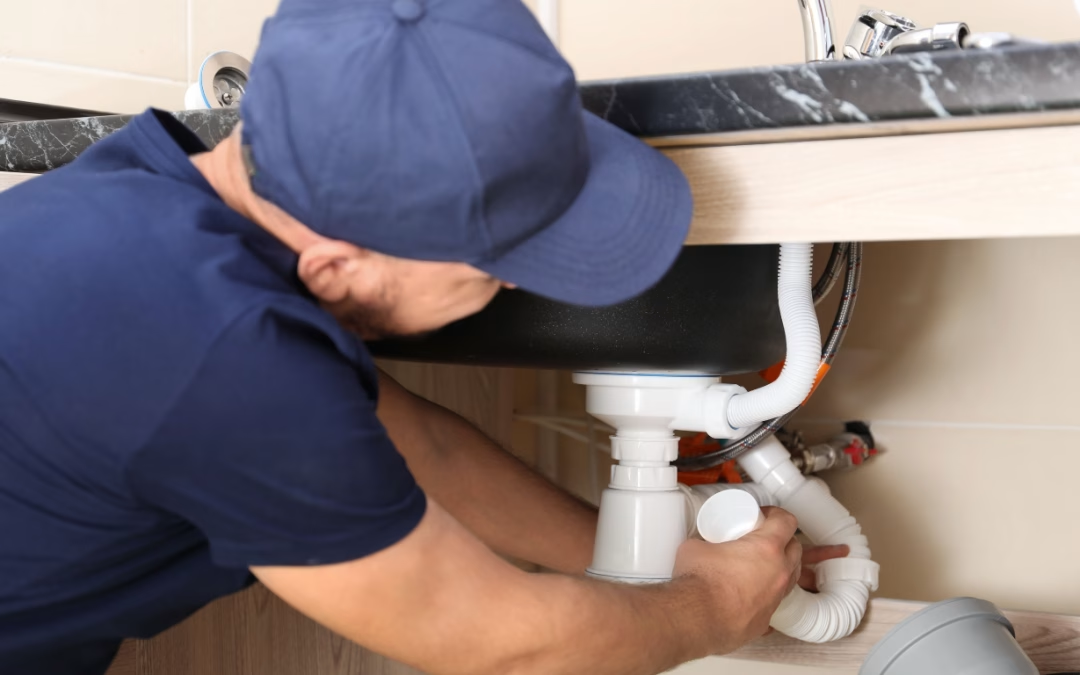
DIY Friendly: Replacing a tap washer, clearing a simple P-trap under the sink, or insulating exposed pipes.
-
Call the Expert: Anything that has to do with a geyser, high-pressure jetting, hidden leaks inside walls (damp spots), or sewer line repairs. Attempting these yourself often leads to “double-costing”—paying to fix the original problem and the damage caused by the DIY attempt.
How to Choose an Affordable Durban Plumber
A “budget” plumber isn’t the one with the lowest quote; it’s the one who provides the most value. Look for:
-
PIRB Registration: Ensure they are registered with the Plumbing Industry Registration Board. This guarantees the work meets SANS (South African National Standards).
-
Transparency: A good local expert provides a clear breakdown of parts and labor before the work starts.
-
Warranties: If a plumber doesn’t stand by their work with a guarantee, you’ll likely be paying someone else to fix it next month.
Proactive Maintenance: The “10-Minute Walkabout”
Every Durban property owner should do a monthly “plumbing walkabout.” This simple habit costs nothing but saves thousands.
-
Check the Water Meter: Turn off all taps and check if the meter dial is still spinning. If it is, you have a hidden leak.
-
Inspect Flexi-Hoses: Check the braided silver hoses under your sinks. If they look “rusty” or frayed, replace them immediately. These are the #1 cause of flooded homes in our area.
-
Look for Damp: Check the base of your walls for things like bubbling paint or a musty smell—classic signs of a slow-leaking pipe behind the plaster.
Final Thoughts
Plumbing in Durban doesn’t have to be a source of stress. By being proactive, choosing local experts who understand our unique coastal environment, and investing in small efficiency upgrades, you can keep your system running perfectly on a budget.
Whether you’re dealing with the hard water or the sandy drains , the key is to act fast. A small drip is a small bill; a burst pipe is a big one.Get in touch with our plumbing services close to you in Durban. Our team is happy to help